
Your Ultimate Guide to Spending Summer in Egypt
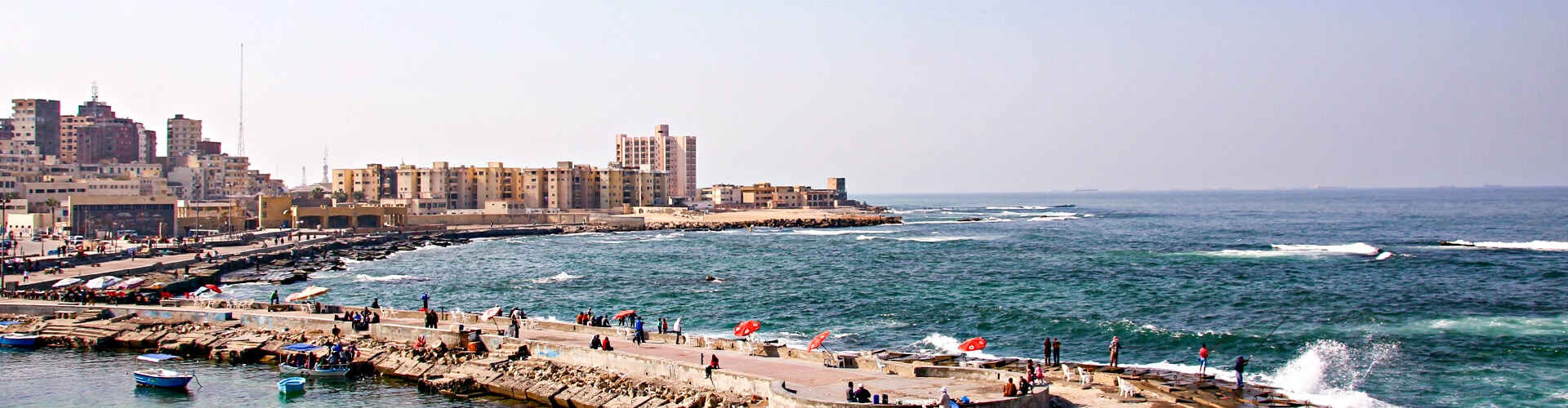
Is Egypt too hot in summer? Can you still visit the temples and tombs? Is the Red Sea better than the Mediterranean?
These are the questions travelers ask when planning a summer trip to Egypt.
The short answer is: Yes, summer is a great time to visit Egypt—if you know how to do it right.
Summer in Egypt runs from June to August. Temperatures in Luxor and Aswan can reach 42°C (108°F). But along the coast and on the Nile, the heat is drier and more manageable. And the biggest advantage? Fewer crowds and lower prices.
In this guide, we show you exactly how to spend summer in Egypt. You will learn:
- Where to go to stay cool
- What to wear and pack
- Which activities are best for hot weather
- How to avoid the midday sun
- Where to find Egypt’s best beaches
Let’s dive in.
Why Visit Egypt in Summer? How to spend summer in Egypt?
Most tourists visit Egypt between October and April. That is the “high season.” The weather is cool, the sites are busy, and prices are at their peak.
Summer is the low season. Here is why that is a good thing.
Fewer Tourists
Imagine visiting the Valley of the Kings without waiting in long lines. Picture yourself inside the tomb of Seti I with only a handful of other visitors. In summer, this is possible.
Lower Prices
Hotels, cruises, and tours drop their prices significantly in summer. You can often book a 5-star Nile cruise for 30–40% less than in winter.
Longer Days
The sun rises early and sets late. You have more daylight hours to explore. Start your day at 6:00 AM and you can see three temples before lunch.
Unique Experiences
Some events, like the Abu Simbel Sun Festival, happen only in summer. This is when the sun aligns perfectly with the inner sanctuary of Ramses II’s temple.
Best Places to Visit in Egypt During Summer
Not all of Egypt feels equally hot in summer. Some destinations are naturally cooler or offer shade and water activities.
1. The Red Sea Coast (Hurghada, Sharm El Sheikh, Marsa Alam)
The Red Sea coast is Egypt’s summer capital. Sea breezes keep temperatures lower than in the Nile Valley. The water is warm—perfect for swimming, snorkeling, and diving.
Why go: World-class coral reefs, resort hotels with pools, water sports, family-friendly atmosphere.
Best for: Beach lovers, divers, families, couples.
2. Alexandria and the North Coast
Alexandria sits on the Mediterranean Sea. In summer, it is cooler than Cairo and much cooler than Luxor. The city has a relaxed, European feel.
The North Coast (Sahel) is where wealthy Egyptians escape the heat. It has white sand beaches, beach clubs, and private resorts.
Why go: Mediterranean culture, seafood, history, sea breezes.
Best for: History buffs, food lovers, travelers seeking a city break.
3. Cairo and Giza
Cairo is hot in summer, but the city is used to it. Museums, mosques, and covered markets offer shade. The Pyramids are best visited at sunrise.
Why go: The Egyptian Museum, Islamic Cairo, Khan el-Khalili bazaar, Giza Plateau.
Best for: First-time visitors, culture enthusiasts, budget travelers.
4. Aswan
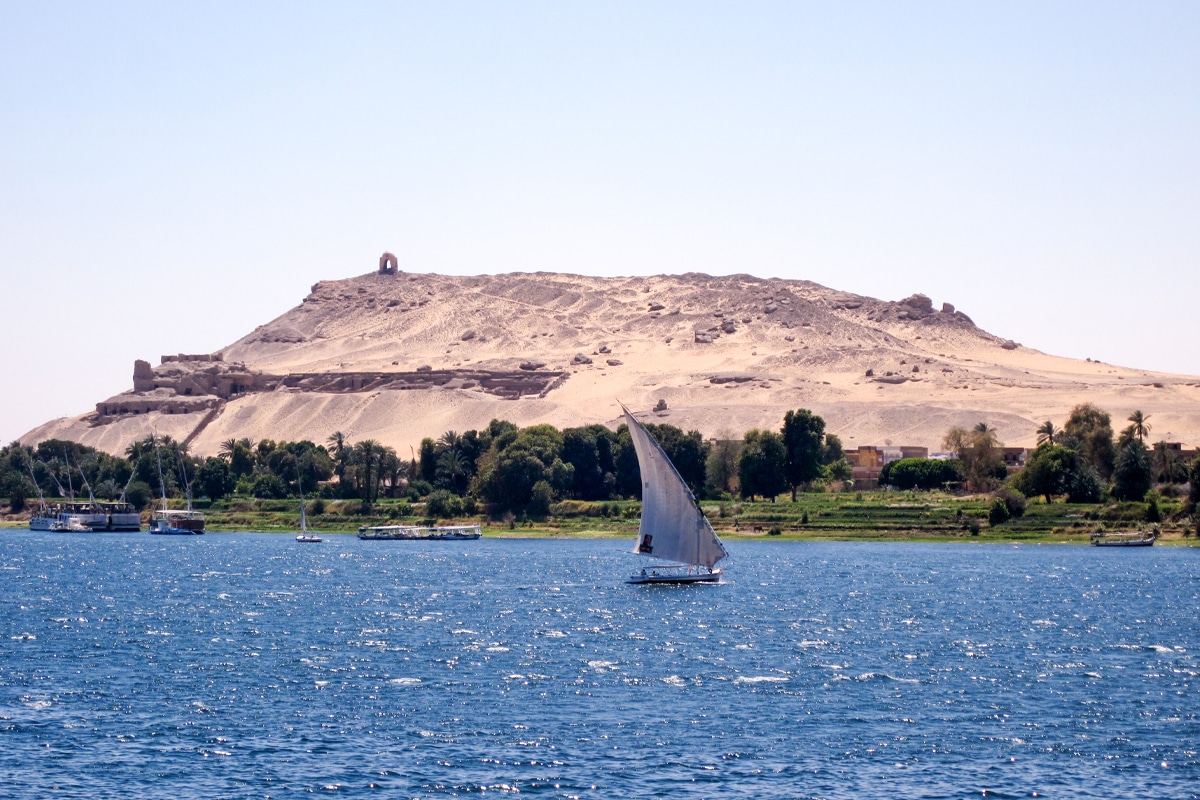
Aswan is Egypt’s southernmost city. Yes, it is hot. But it is also dry. The heat feels less oppressive than in Luxor. Aswan is famous for its Nile views, felucca rides, and Nubian hospitality.
Why go: Philae Temple, Elephantine Island, Nubian villages, sunset felucca sails.
Best for: Slow travelers, photographers, couples.
5. Luxor (If You Go Early or Late)
Luxor is the hottest destination on this list. But you can still visit if you plan carefully. The West Bank tombs are underground and cooler. The temples are best seen at sunrise or sunset.
Why go: Valley of the Kings, Karnak Temple, Hatshepsut Temple, hot air balloon rides.
Best for: History lovers, photographers, repeat visitors.
Summer Itinerary Options
7-Day Red Sea Relaxation
- Day 1–3: Hurghada – beach, snorkeling, giftun islands
- Day 4–5: Sharm El Sheikh – Ras Mohammed National Park, Naama Bay
- Day 6–7: Dahab – Blue Hole, camel rides, relaxation
7-Day Culture and Coast Combo
- Day 1–2: Cairo – Pyramids, Egyptian Museum, Khan el-Khalili
- Day 3–4: Fly to Aswan – Philae Temple, Nubian village, felucca
- Day 5–7: Fly to Hurghada – Red Sea relaxation
10-Day Nile Cruise + Beach Extension
- Day 1–4: Nile cruise Luxor to Aswan (early morning tours)
- Day 5: Abu Simbel excursion
- Day 6–10: Marsa Alam – diving, beach, sea turtles
How to Beat the Heat: Practical Tips
Start Your Day Early
The hours between 6:00 AM and 10:00 AM are golden. This is when you should visit outdoor sites like the Pyramids, Karnak, and the Valley of the Kings.
Take a Siesta
From 12:00 PM to 3:00 PM, the sun is at its strongest. This is the perfect time for:
- Lunch at an air-conditioned restaurant
- A nap at your hotel
- Visiting indoor attractions (museums, covered markets)
- Swimming in your hotel pool
Stay Hydrated
Dehydration is the biggest risk in summer heat. Drink 2 to 3 liters of water per day. Carry a refillable bottle. Add oral rehydration salts if you feel dizzy.
Dress for the Climate
- Fabrics: Cotton, linen, bamboo (natural fibers breathe)
- Colors: White, beige, light pastels (dark colors absorb heat)
- Coverage: Loose, long sleeves protect better than short sleeves
- Headwear: Wide-brimmed hat, cap, or scarf
- Footwear: Closed, comfortable walking shoes (sandals are fine for the beach, not for temples)
Use Sun Protection
- SPF 50+ sunscreen, reapplied every 2 hours
- Sunglasses with UV protection
- Lip balm with SPF
Choose Shade Where Possible
Many temples have covered hypostyle halls. Karnak’s Great Hypostyle Hall offers excellent shade. The tombs in the Valley of the Kings are underground and naturally cool.
What to Wear in Egypt in Summer
For Women
- Loose cotton trousers or maxi skirts
- Long-sleeved linen tops
- A lightweight scarf or pashmina (for mosques and conservative areas)
- Comfortable walking sandals or trainers
For Men
- Lightweight cotton or linen trousers
- Short-sleeved collared shirts
- Avoid singlets and very short shorts in cities and religious sites
At the Beach or Pool
- Swimwear is fine at resorts, hotel pools, and beach clubs
- Cover up with a sarong or kaftan when walking through hotel lobbies or public areas
Summer Activities: What to Do and When
| Time of Day | Recommended Activities |
|---|---|
| 6:00 – 10:00 AM | Outdoor sightseeing (temples, tombs, pyramids) |
| 10:00 AM – 12:00 PM | Light exploring, covered markets, photography |
| 12:00 – 3:00 PM | Lunch, museum visits, hotel pool, nap |
| 3:00 – 6:00 PM | Felucca rides, Nile cruising, shopping |
| 6:00 PM onward | Dinner, sound and light shows, evening strolls |
Summer Festivals and Events
Abu Simbel Sun Festival (February & October)
Technically not summer, but worth mentioning. Twice a year, the sun illuminates the inner sanctuary of Ramses II’s temple. Summer visitors can still enjoy smaller crowds and lower prices at Abu Simbel.
Cairo Opera House Summer Concerts
July and August bring classical music, Arabic orchestras, and dance performances. Check the schedule in advance. Tickets are affordable.
Eid al-Adha
The Islamic holiday dates shift each year. If your trip coincides with Eid, expect festive atmospheres, family gatherings, and some businesses closing for 2–3 days.
Moulid of Sayyidna al-Hussein
A Sufi religious festival in Cairo. Colorful, crowded, and deeply authentic. Dates vary according to the Islamic calendar.
Summer Food and Drink: Staying Cool Through Cuisine
Egyptian cuisine offers many dishes that are perfect for hot weather.
Cold and Refreshing
- Karkadeh: Iced hibiscus tea, tart and deep red
- Qamar al-Din: Thick apricot juice, usually drunk during Ramadan but available in summer
- Fresh sugarcane juice: Pressed right in front of you, intensely sweet
- Lemonade with mint: Served at almost every cafe
Light Meals
- Falafel (ta’ameya): Egyptian falafel is made from fava beans, not chickpeas. Lighter and greener.
- Salad baladi: Cucumber, tomato, onion, lemon juice
- Labaniya: Yogurt soup, served cold
- Roz bel laban: Rice pudding, chilled
Where to Eat
In summer, look for restaurants with outdoor terraces and misting fans. Many upscale Cairo and Alexandria restaurants have garden seating. On the Red Sea coast, beachfront dining is the norm.
Summer Packing List for Egypt
Clothing
- 3–4 lightweight cotton tops (long sleeves)
- 2 pairs of loose trousers or palazzo pants
- 1 light cardigan or scarf (for air-conditioned spaces)
- Swimsuit and cover-up
- Wide-brimmed hat
- Sunglasses
Footwear
- Comfortable walking shoes (broken in)
- Sandals for evening and beach
Health and Safety
- SPF 50+ sunscreen
- After-sun lotion or aloe vera
- Insect repellent
- Reusable water bottle with filter
- Basic first aid kit (plasters, antiseptic, pain relief)
- Oral rehydration salts
Electronics
- Power bank (you will use your phone more for maps and booking)
- Universal travel adapter
- Camera with extra batteries (heat drains batteries faster)
Should You Take a Nile Cruise in Summer?
Yes. Nile cruises are air-conditioned. You sleep while sailing between cities. You visit temples early in the morning or late in the afternoon.
Advantages of summer cruises:
- Much lower prices
- Fewer passengers on board and at sites
- More personal attention from guides
- Better photos without crowds
Disadvantages:
- Daytime temperatures are high
- You must be willing to wake up early
- Some optional excursions (like the hot air balloon) may be canceled in high wind
Our advice: Book a 4-night cruise between Luxor and Aswan. Choose a ship with a pool. Start your day at 6:00 AM. Rest in the afternoon. Enjoy sunset from the sundeck.
Summer Diving and Snorkeling
The Red Sea is at its best in summer. Water temperatures reach 28–30°C (82–86°F). Visibility is excellent. Marine life is active.
Best Dive Sites in Summer
- Ras Mohammed National Park – Currents bring nutrients, attracting large schools of fish
- Thistlegorm – Famous WWII wreck, best visited early morning
- Elphinstone – Offshore reef, oceanic whitetip sharks
- Abu Dabbab – Sea turtles and dugongs
- Blue Hole (Dahab) – Famous sinkhole, suitable for experienced divers
Snorkeling
You do not need to be a certified diver to enjoy the Red Sea. Many reefs are accessible directly from the beach or by short boat trips.
Best snorkeling spots:
- Giftun Islands (Hurghada)
- Ras Mohammed (Sharm El Sheikh)
- Marsa Mubarak (Marsa Alam)
Summer in Cairo: What You Need to Know
Cairo in summer is hot, dusty, and crowded. But it is also vibrant, authentic, and surprisingly rewarding.
Morning (6:00–10:00 AM)
Visit the Giza Plateau. The pyramids are less crowded at sunrise. The light is soft and golden.
Midday (12:00–3:00 PM)
Go indoors. The Grand Egyptian Museum is a classic choice. The Museum of Islamic Art is quieter and beautifully renovated.
Afternoon (3:00–6:00 PM)
Explore Khan el-Khalili. The covered bazaar is shaded and lively. Drink tea at El Fishawy, Cairo’s most famous cafe.
Evening (7:00 PM onward)
Dinner on a Nile boat restaurant. The breeze makes the heat bearable. Enjoy the city lights reflecting on the water.
Summer in Alexandria: Egypt’s Mediterranean Escape
Alexandria sits on the coast, 220 kilometers northwest of Cairo. In summer, temperatures are 5–10°C cooler than the capital.
What to Do in Alexandria
- Bibliotheca Alexandrina – Modern library built near the site of the ancient one
- Qaitbay Citadel – 15th-century fortress on the Mediterranean
- Montaza Palace – Royal gardens and beach access
- Alexandria National Museum – Well-curated collection in a restored villa
- Corniche – Waterfront promenade, best at sunset
Food in Alexandria
Alexandria is famous for seafood. Restaurants along the Corniche serve grilled fish, shrimp, and calamari. Try sayadeya, a local fish dish with rice and onions.
Summer in Siwa Oasis: Desert Escape
Siwa is remote, beautiful, and unlike anywhere else in Egypt. It lies near the Libyan border, about 8 hours west of Cairo.
Why Visit Siwa in Summer?
Summer in Siwa is extremely hot (45°C+). But the oasis is built for heat. Mud-brick architecture stays cool. Natural springs offer refreshing swimming.
What to Do
- Swim in Cleopatra’s Spring and Bir Wahed (hot spring with sand dunes)
- Explore the Shali Fortress – Ancient mud-brick city in the center of town
- Visit the Temple of the Oracle – Where Alexander the Great was confirmed as son of Amun
- Sandboarding on the Great Sand Sea
Is Siwa Too Hot in Summer?
For some travelers, yes. If you have a low tolerance for heat, visit Siwa in spring or autumn. But if you embrace the desert climate, summer offers solitude and authenticity.
Frequently Asked Questions About Summer in Egypt
Is Egypt too hot in summer?
Egypt is very hot in summer, especially in Luxor and Aswan where temperatures reach 40-42°C (104-108°F). However, coastal areas like the Red Sea (Hurghada, Sharm El Sheikh) and Mediterranean (Alexandria, North Coast) are more comfortable with sea breezes. With proper planning—early starts, afternoon rests, and plenty of hydration—summer travel is manageable and rewarding with fewer crowds and lower prices.
Is Egypt too hot in July and August?
It depends where you go. The Red Sea coast and Mediterranean are comfortable. Luxor and Aswan are very hot but manageable with early starts and afternoon rests.
Can you visit the Pyramids in summer?
Yes, you can visit the Pyramids of Giza in summer. The key is to go at sunrise (around 6:00 AM) when gates open. This allows you to see the pyramids before the intense heat and crowds arrive. Plan to finish your visit by 10:00 AM. Bring plenty of water, wear a hat and sunscreen, and consider visiting the Solar Boat Museum for shade.Yes. Go at sunrise (6:00 AM). Bring water and sunscreen. Finish by 10:00 AM.
What is the best time to visit Egypt in summer?
The best summer months for Egypt travel are June and September (shoulder months). July and August are the hottest but offer the lowest prices. For beach destinations like Hurghada and Sharm El Sheikh, all summer months are good. For Nile Valley sites (Luxor, Aswan), visit in June or late August when temperatures are slightly lower than July peak.
Is the Red Sea too hot in summer?
No, the Red Sea is actually wonderful in summer. Air temperatures in Hurghada and Sharm El Sheikh average 32-35°C (90-95°F) with sea breezes. Water temperatures reach 28-30°C (82-86°F), making swimming and diving extremely comfortable without wetsuits. The heat is dry and less oppressive than in Nile Valley cities.
What should I wear in Egypt in summer?
Wear lightweight, loose-fitting clothing in natural fabrics like cotton and linen. Light colors (white, beige, pastels) reflect heat. Long sleeves and pants actually protect better from sun than shorts and t-shirts. Women should pack maxi dresses and scarves for mosque visits. Swimwear is fine at resorts but cover up in public areas. Always wear a wide-brimmed hat and quality sunglasses.
Are Nile cruises available in summer?
Yes, Nile cruises operate year-round, including summer. Summer cruises offer significant discounts (30-40% less than winter). Ships are fully air-conditioned. Tours are scheduled early morning (6:00-10:00 AM) to avoid peak heat. Choose a cruise with a pool for afternoon cooling. The hot air balloon ride in Luxor may be canceled more often in summer due to wind conditions.
Is diving good in Egypt during summer?
Summer is excellent for diving in the Red Sea. Water temperatures reach 28-30°C (82-86°F), eliminating the need for wetsuits. Visibility is at its best, often exceeding 30 meters. Marine life is active. Top summer dive sites include Ras Mohammed National Park, Thistlegorm wreck, Elphinstone Reef, and the Blue Hole in Dahab.
How much does a summer trip to Egypt cost?
Summer is Egypt’s low season, meaning prices drop significantly. You can expect 30-40% discounts on hotels, Nile cruises, and tours compared to winter high season. A 5-star Nile cruise that costs $1,200 in December might be $700-800 in July. Flights may also be cheaper. Budget for extra bottled water and indoor activities during peak heat hours.
What is the temperature in Luxor in July?
Luxor in July has average high temperatures of 41°C (106°F) and average lows of 25°C (77°F). The heat is dry with very low humidity (20-30%). The sun is intense from 11:00 AM to 3:00 PM. Early morning tours (6:00-10:00 AM) and evening visits are essential. The Valley of the Kings tombs are underground and naturally cooler.
Is Alexandria cooler than Cairo in summer?
Yes, Alexandria is significantly cooler than Cairo in summer. Alexandria averages 28-31°C (82-88°F) with Mediterranean sea breezes, while Cairo averages 34-38°C (93-100°F) with no coastal relief. Alexandria makes an excellent summer escape for those wanting city culture without extreme heat.
What should I pack for Egypt in summer?
Essential summer packing includes: lightweight cotton/linen clothing, wide-brimmed hat, quality sunglasses (UV protection), SPF 50+ sunscreen, reusable water bottle, oral rehydration salts, insect repellent, comfortable walking shoes (broken in), sandals, swimwear, cover-up, power bank (heat drains batteries), universal adapter, and a light scarf for mosque visits.
Do I need a visa for Egypt in summer?
Yes, most nationalities need a visa year-round, regardless of season. You can apply online for an e-visa before travel (recommended, takes 3-5 business days) or purchase a visa on arrival at Cairo airport for $25 USD (exact change required). The e-visa is valid for 30 days and allows entry through major airports.
Is Egypt safe for summer travel?
Yes, Egypt is safe for summer travel. Tourist sites, airports, and transport routes have significant security presence. Summer presents no additional safety concerns beyond the heat. Take standard travel precautions: stay in reputable accommodations, use licensed guides, keep valuables secure, and stay informed about local conditions. The main health risk is dehydration—drink 2-3 liters of water daily.
What is the North Coast (Sahel) in Egypt?
The North Coast (El Sahel) is Egypt’s premier summer beach destination along the Mediterranean, stretching from Alexandria to Marsa Matrouh. It features white sand beaches, private resort communities, beach clubs, and upscale vacation homes. It’s where wealthy Egyptians escape summer heat. The season runs June to September. Popular spots include Marina, Sidi Abdel Rahman, and Ras El Hekma.
Can you visit Siwa Oasis in summer?
Yes, you can visit Siwa in summer, but be prepared for extreme heat (45°C+/113°F). Siwa’s mud-brick architecture stays naturally cool. Natural springs like Cleopatra’s Pool offer refreshing swimming. The Great Sand Sea is best visited early morning or late afternoon. Siwa is remote (8 hours from Cairo) and accommodations are limited. Spring and autumn are more comfortable, but summer offers solitude and lower prices.
What Egyptian foods are good for summer?
Egypt offers many cooling summer foods and drinks: Karkadeh (iced hibiscus tea) is tart and refreshing. Qamar al-Din (apricot juice) is served cold. Fresh sugarcane juice is sweet and energizing. Light meals include falafel (ta’ameya), salad baladi (cucumber-tomato salad), labaniya (cold yogurt soup), and roz bel laban (chilled rice pudding). Street vendors sell fresh coconut water and lemonade with mint.
Are there summer festivals in Egypt?
Yes, summer offers unique cultural events. The Cairo Opera House hosts summer concerts with classical music and Arabic orchestras. Eid al-Adha (dates vary) brings festive atmospheres. The Moulid of Sayyidna al-Hussein is a Sufi festival in Cairo. Alexandria’s summer cultural season includes concerts and events. While the Abu Simbel Sun Festival occurs in February and October, summer visits to Abu Simbel offer smaller crowds.
How do Egyptians cope with summer heat?
Egyptians use several strategies: They start work early (often 7:00-8:00 AM) and take long lunch breaks during peak heat. Many businesses close 2:00-5:00 PM and reopen evening. They drink copious amounts of water, tea, and refreshing drinks like karkadeh. Traditional architecture uses thick walls, courtyards, and shading. Wealthier families escape to North Coast or Alexandria. Evening socializing is common when temperatures drop.
What are the best summer itineraries for Egypt?
Best summer itineraries focus on coastal areas and early starts: 7-Day Red Sea Relaxation: Hurghada (3 days), Sharm El Sheikh (2 days), Dahab (2 days). 7-Day Culture and Coast Combo: Cairo (2 days), Aswan (2 days), Hurghada (3 days). 10-Day Nile Cruise + Beach: Nile cruise Luxor-Aswan (4 days), Abu Simbel (1 day), Marsa Alam (5 days). Always schedule outdoor sites 6:00-10:00 AM only.
Is it safe to drink tap water in Egypt in summer?
No, tap water is not recommended for drinking anywhere in Egypt, regardless of season. Always drink bottled water and check seals are intact. Use bottled water for brushing teeth. In summer heat, dehydration risk increases, so carry a refillable bottle and purchase large bottles from supermarkets. Hotels typically provide complimentary bottled water. Avoid ice from street vendors or local restaurants.
Conclusion: Should You Spend Summer in Egypt?
Summer in Egypt is not for everyone. If you dislike heat, crowds of any kind, or prefer perfect weather, visit in winter or spring.
But if you are a traveler who values authenticity, value, and adventure, summer is a wonderful time to experience Egypt.
You will see the temples with fewer people. You will pay less for your accommodation and tours. You will meet Egyptians who are on vacation themselves, enjoying the coast and the cooler evenings.
And when you float in the Red Sea, or sip iced hibiscus tea overlooking the Nile, or watch the sunset paint the desert gold—you will know you made the right choice.
Check Our Top Nile Cruise Trips:-
Plan your summer Egypt trip with Top Nile Cruises. We will help you beat the heat and fall in love with this timeless country.