
The High Dam in Aswan, Egypt: A Marvel of Engineering
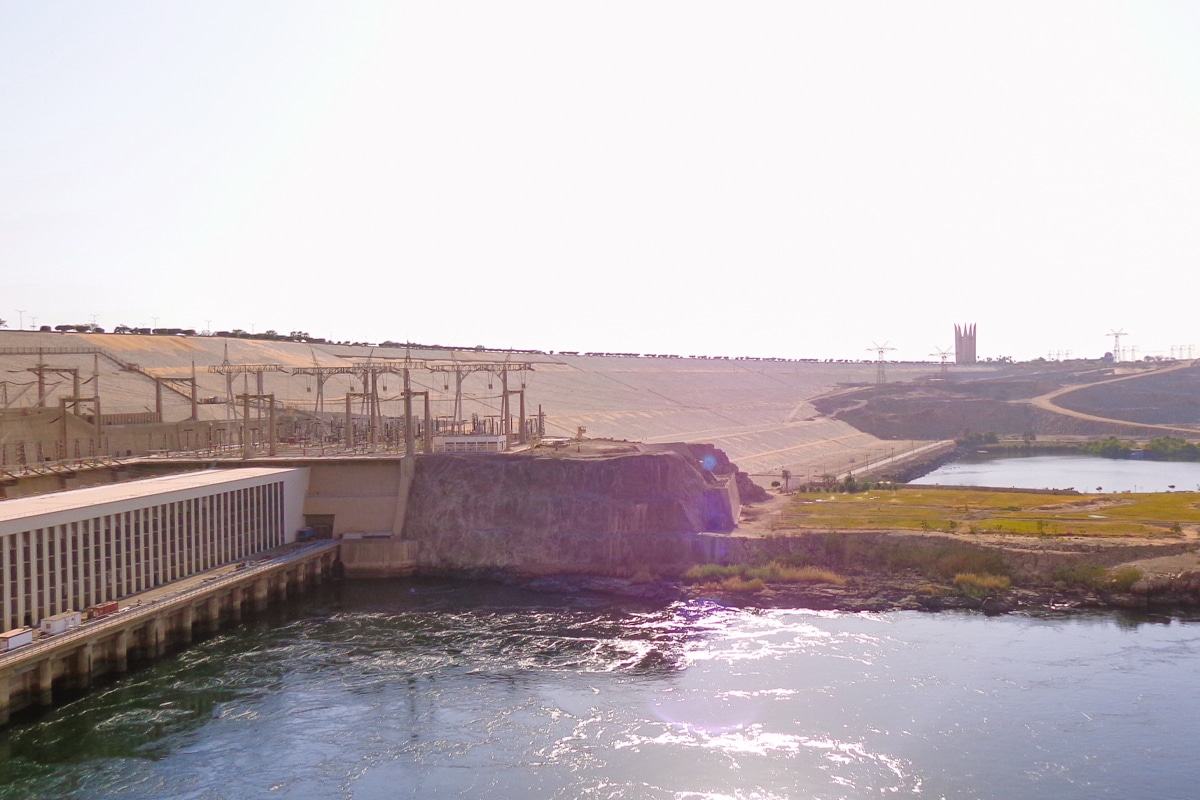
Across the Nile River in southern Egypt, near the city of Aswan, stands one of the most ambitious engineering projects of the 20th century: the Aswan High Dam.
This massive structure is not a pyramid or a temple. It is modern—built between 1960 and 1970. But in its own way, it is just as impressive as anything the ancient Egyptians built.
The High Dam changed Egypt forever. It controls the Nile’s floods, provides electricity to millions of people, and created one of the largest artificial lakes in the world. It also forced the relocation of ancient temples and entire communities.
In this guide, we will explore the history, construction, impact, and legacy of the Aswan High Dam. We will also answer common questions and give you tips for visiting this modern wonder.
Why Is the Nile River So Important?
To understand the High Dam, you must first understand the Nile.
The Nile is the longest river in the world, flowing over 6,600 kilometers (4,100 miles) from central Africa to the Mediterranean Sea. For thousands of years, Egypt has depended on it.
The Gift of the Nile
The ancient Greek historian Herodotus called Egypt the “gift of the Nile.” Without the river, Egypt would be nothing but desert.
Every year, the Nile would flood. The floodwaters carried rich silt—dark, fertile soil—from the mountains of Ethiopia. When the water receded, it left behind a layer of fresh soil. Farmers planted their crops in this soil and grew abundant harvests.
This annual cycle allowed Egyptian civilization to thrive for over 3,000 years.
The Problem with Floods
But the Nile’s floods were not always predictable. Some years, the flood was too high. It destroyed villages and drowned crops. Other years, the flood was too low. The soil did not get enough water, and famine followed.
Controlling the Nile—stopping the floods while keeping the water—was a dream of every ruler of Egypt.
The Need for a Dam
By the mid-20th century, Egypt faced new challenges:
- Population growth: More people needed food and water.
- Modernization: Factories and cities needed electricity.
- Flood control: A single bad flood could destroy a year’s harvest.
- Drought protection: A series of low floods could cause famine.
Egypt also wanted to store water for use during dry years. The old Aswan Dam, built by the British in 1902, was no longer enough. It was too small to control the mighty Nile.
The solution was a new dam—bigger, stronger, and higher. It would be built 6 kilometers (4 miles) upstream from the old dam.
The Vision of Gamal Abdel Nasser
In 1952, a group of army officers overthrew the Egyptian monarchy. The leader of this revolution was Gamal Abdel Nasser. He became president in 1956.
Nasser had big plans for Egypt. He wanted to modernize the country, build industries, and free Egypt from foreign control. The High Dam was central to his vision.
International Politics and the Dam
Building the dam was expensive. Nasser needed foreign money and expertise.
He first approached the United States and Britain. They offered a loan, but with conditions that Nasser found unacceptable. When they withdrew their offer, Nasser made a bold move.
In 1956, he nationalized the Suez Canal. The canal’s revenues would pay for the dam. This act sparked the Suez Crisis, but Egypt kept the canal.
Nasser then turned to the Soviet Union. The Soviets agreed to provide technical experts, equipment, and financing. The Cold War had brought the dam into the global spotlight.
Construction of the High Dam
Timeline
- 1954–1959: Planning and feasibility studies
- 1960: Construction begins
- 1964: The Nile is diverted; Lake Nasser starts to form
- 1970: The dam is officially completed
- 1971: President Nasser’s successor, Anwar Sadat, inaugurates the dam
The Scale of the Project
The numbers are staggering:
- Length: 3,830 meters (2.4 miles)
- Height: 111 meters (364 feet)
- Width at base: 980 meters (3,215 feet)
- Width at crest: 40 meters (130 feet)
- Materials used: 43 million cubic meters of rock, clay, and sand
- Workers: Over 30,000 Egyptians and 2,000 Soviet engineers
The dam is made of rockfill. It is not a concrete structure like many modern dams. Instead, it is a massive pile of rocks and earth, with a clay core to make it watertight.
How the Dam Works
The High Dam works on a simple principle: it holds back water.
When the Nile floods, the dam traps the water in a huge reservoir. This water can be released slowly throughout the year. This means:
- No more uncontrolled floods
- A steady supply of water for irrigation, even in dry years
- Water for drinking and industry
The dam also has a hydroelectric power station. Water flowing through tunnels in the dam spins turbines, generating electricity.
Lake Nasser: The Dam’s Reservoir
Behind the dam, a vast lake began to fill. It was named Lake Nasser in honor of the president.
Size and Scale
- Length: 550 kilometers (340 miles)
- Average width: 10 kilometers (6 miles)
- Depth: Up to 180 meters (590 feet)
- Volume: 169 billion cubic meters of water
- Surface area: 5,250 square kilometers (2,000 square miles)
Part of the lake extends into Sudan, where it is called Lake Nubia.
Wildlife and Fishing
Lake Nasser is now home to a thriving ecosystem. Fish species include:
- Nile perch (can grow to over 100 kg)
- Tilapia
- Catfish
Fishing is an important industry, providing food and jobs for local communities. The lake also attracts birds, including herons, egrets, and migratory species.
The Rescue of Nubian Temples
Creating Lake Nasser meant flooding a huge area of ancient Nubia. Hundreds of archaeological sites were at risk of being lost forever.
UNESCO’s International Campaign
In 1960, UNESCO launched an international effort to save the monuments of Nubia. It was one of the largest cultural rescue operations in history.
Teams from around the world came to Egypt. They:
- Surveyed the area
- Excavated sites
- Moved temples to higher ground
- Documented everything
The Most Famous Relocations
The two temples of Ramesses II were cut into 1,050 blocks, each weighing up to 30 tons. They were reassembled on a man-made cliff 65 meters higher and 200 meters back from their original location.
The temple of Isis was moved block by block to the nearby island of Agilkia, where it now sits above the water.
Other saved temples:
- Kalabsha
- Beit el-Wali
- Kertassi
- Dendur (now in the Metropolitan Museum of Art, New York)
Without the dam, these temples would be at the bottom of Lake Nasser.
The Benefits of the High Dam
The dam brought many benefits to Egypt.
1. Flood Control
The dam completely ended the annual Nile floods. Villages along the river no longer face the risk of destruction. Farms are safe.
2. Reliable Irrigation
Before the dam, farmers could only grow one crop per year. Now, with a steady water supply, they can grow two or three crops annually. This has increased food production and helped feed Egypt’s growing population.
3. Hydroelectric Power
The dam’s power station has 12 turbines, each generating 175 megawatts. Total capacity: 2,100 megawatts.
At the time it was built, this was enough to power all of Egypt’s cities and industries. Today, it provides about 15% of Egypt’s electricity—still significant.
4. Improved Navigation
The dam regulates the river’s flow, making the Nile easier to navigate year-round. This helps transport goods and supports the tourism industry.
5. New Fishing Industry
Lake Nasser produces over 25,000 tons of fish per year. This provides food and income for thousands of families.
6. Economic Development
The electricity from the dam powered factories, pumped water to new farms, and supported Egypt’s industrialization. The dam became a symbol of progress and national pride.
The Downsides and Challenges
The dam also created problems.
1. Loss of Fertile Silt
Before the dam, the annual flood brought nutrient-rich silt to the fields. This silt naturally fertilized the soil.
Now, the silt is trapped behind the dam. Farmers must use artificial fertilizers, which are expensive and can pollute the water.
2. Coastal Erosion
The Nile Delta is slowly eroding. Before the dam, the river carried silt to the Mediterranean, building up the delta. Now, with less silt reaching the coast, the sea is eating away at the land.
3. Evaporation
Lake Nasser is in the middle of the desert. The hot sun causes huge amounts of water to evaporate. Some estimates suggest that 10–15% of the lake’s water is lost to evaporation every year.
4. Sediment Buildup
The silt that used to fertilize farms is now accumulating behind the dam. Over time, this will reduce the lake’s storage capacity.
5. Resettlement
The flooding of Nubia displaced over 100,000 Nubian people. They lost their ancestral homes and were moved to government-built villages elsewhere. Many Nubians still mourn this loss.
6. Health Issues
The slow-moving water behind the dam created new breeding grounds for mosquitoes and snails. This has led to increases in diseases like malaria and schistosomiasis (bilharzia).
Visiting the High Dam Today
The High Dam is a popular stop for visitors to Aswan.
What to See
- The dam itself – You can drive across the top and stop at a viewing platform.
- The power station – Sometimes open for tours (check in advance).
- Lake Nasser – The vast blue lake stretching south toward Sudan.
- The Lotus Tower – A monument shaped like a lotus flower, built to honor Soviet-Egyptian friendship.
- The old dam – Located nearby, built by the British in 1902.
How to Get There
- By taxi: From Aswan, about 20–30 minutes.
- By tour: Most Aswan city tours include the dam.
- By felucca: You cannot reach the dam by boat, but you can see it from the river.
Best Time to Visit
- Morning or late afternoon, to avoid the midday heat.
- The dam is open year-round.
Combined with Other Sites
A typical tour of the west bank includes:
- The High Dam
- The Unfinished Obelisk
- Philae Temple
You can visit all three in half a day.
The Future of the Dam
The Aswan High Dam is now over 50 years old. It is well maintained and continues to function.
Sediment Management
Engineers are studying ways to remove sediment from the lake. Dredging is expensive but may become necessary in the future.
Climate Change
Climate change could affect the Nile’s flow. Some models predict less water in the river. Others predict more extreme floods. The dam’s ability to adapt will be tested.
The Grand Ethiopian Renaissance Dam
Upstream in Ethiopia, a new dam is being built on the Blue Nile. This dam will store water and generate electricity. Egypt is concerned that it could reduce the flow of the Nile. Negotiations between Egypt, Sudan, and Ethiopia continue.
Frequently Asked Questions
Is the Aswan High Dam the same as the old Aswan Dam?
No. The old Aswan Dam is 6 kilometers downstream. It was built by the British in 1902 and is much smaller. The High Dam is newer and much larger.
Can you visit the inside of the dam?
You cannot go inside the dam itself for security reasons. However, you can visit the power station and the viewing areas.
How deep is Lake Nasser?
Up to 180 meters (590 feet) in some places. The average depth is about 25 meters.
How many people worked on the dam?
Over 30,000 Egyptians and 2,000 Soviet engineers and technicians.
Did the dam cause any earthquakes?
Very small, localized earthquakes have been recorded. They are caused by the weight of the water in the lake pressing on the earth’s crust. They are too small to feel or cause damage.
Frequently Asked Questions
Why was the Aswan High Dam built?
The dam was built to control Nile flooding, provide a reliable water supply for irrigation, and generate hydroelectric power for Egypt.
How long did it take to build the High Dam?
Construction took 10 years, from 1960 to 1970.
Can you visit the Aswan High Dam?
Yes. The dam is open to visitors. You can drive across it and stop at viewing platforms.
What is Lake Nasser?
Lake Nasser is the reservoir created behind the High Dam. It is one of the largest artificial lakes in the world.
Conclusion
The Aswan High Dam is more than a wall of rock and clay. It is a symbol of Egypt’s modern history—a story of ambition, international politics, sacrifice, and progress.
It brought electricity to millions, food security to farmers, and protection from the river’s floods. It also forced the relocation of people and monuments, reminding us that every achievement comes with a cost.
Today, the dam stands as a testament to what a nation can accomplish when it dares to dream big. It is a marvel of engineering, and it is absolutely worth seeing when you visit Aswan.
Stand on the dam, look out at Lake Nasser, and imagine the ancient temples beneath the water. Then imagine the effort it took to save them. That is the story of modern Egypt.