
The Secrets of Abu Simbel: A Lake Nasser Cruise Adventure
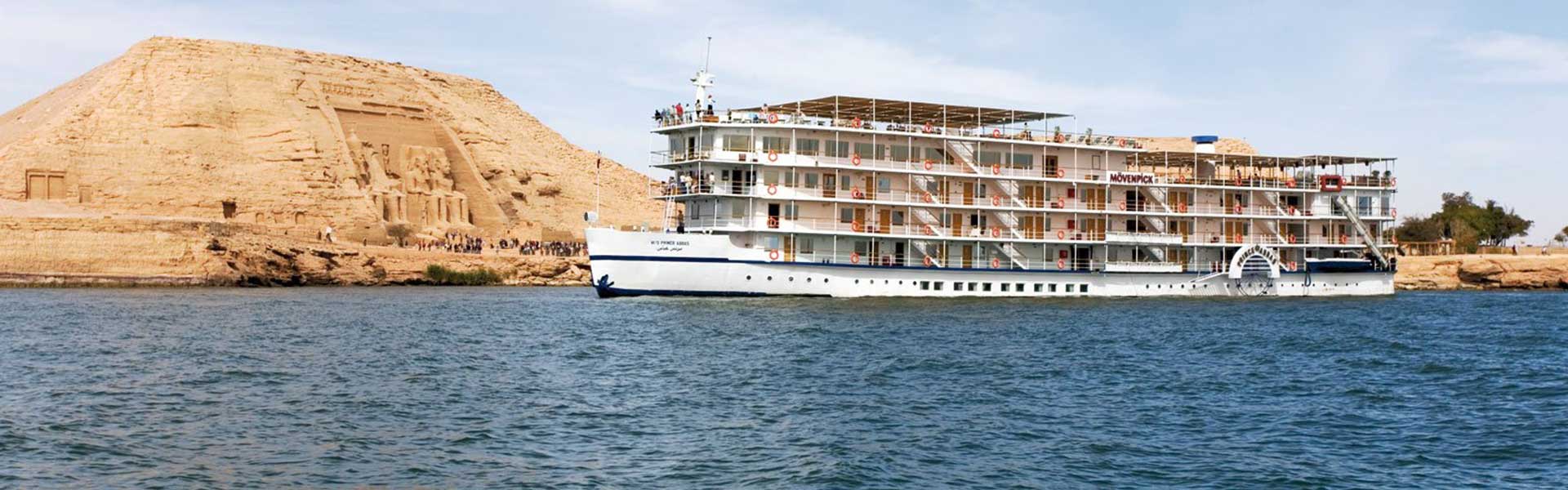
When most people think of an Egyptian cruise, they imagine the Nile River flowing past Luxor and Aswan. But there is another waterway in Egypt that offers something even more remote, more peaceful, and in many ways more dramatic: Lake Nasser.
This massive man-made lake stretches south from Aswan all the way to the Sudanese border. Along its shores lie some of the most spectacular ancient temples in Egypt—including the world-famous Abu Simbel. And the best way to see them is on a Lake Nasser cruise.
In this complete guide, we will take you through everything you need to know about Lake Nasser cruises. You will learn about the history of the lake, the temples you will visit, the wildlife you might see, and how to plan the perfect trip.
What Is Lake Nasser?
Lake Nasser is one of the largest artificial lakes in the world. It stretches for over 500 kilometers (310 miles) from southern Egypt into northern Sudan.
How the Lake Was Created
In the 1960s, Egypt built the Aswan High Dam to control the flooding of the Nile and generate electricity. When the dam was completed, the waters behind it rose, creating a massive reservoir. This lake was named after Gamal Abdel Nasser, the president of Egypt at the time.
The creation of the lake was a great achievement for Egypt’s development. But it also posed a huge problem: many ancient temples along the Nile would be flooded forever.
The International Rescue Campaign
In one of the most extraordinary engineering projects in history, an international team of archaeologists and engineers worked together to save the temples. They cut the temples into massive blocks and moved them to higher ground.
The most famous of these rescued temples is Abu Simbel. But many others were also saved, and today they line the shores of Lake Nasser, waiting to be explored.
Why Choose a Lake Nasser Cruise?
A Lake Nasser cruise is very different from a Nile cruise. Here is why it might be the right choice for you.
Fewer Crowds
The Nile between Luxor and Aswan is busy with cruise boats. Lake Nasser, by comparison, is quiet. Only a few boats sail here, and the temples are never crowded. You will often have entire monuments to yourself.
Access to Remote Temples
Some of Egypt’s most impressive temples are only accessible by boat on Lake Nasser. You cannot reach them by road. A cruise is the only way to see them.
Relaxation and Serenity
Sailing on Lake Nasser is a peaceful experience. The water is calm, the desert stretches to the horizon, and the silence is broken only by the calls of birds. It is a chance to truly unwind.
A Deeper Connection to History
Because the temples here were moved to save them from the rising waters, every site has a story—not just of ancient Egypt, but of modern heroism and international cooperation.
The Star Attraction: Abu Simbel
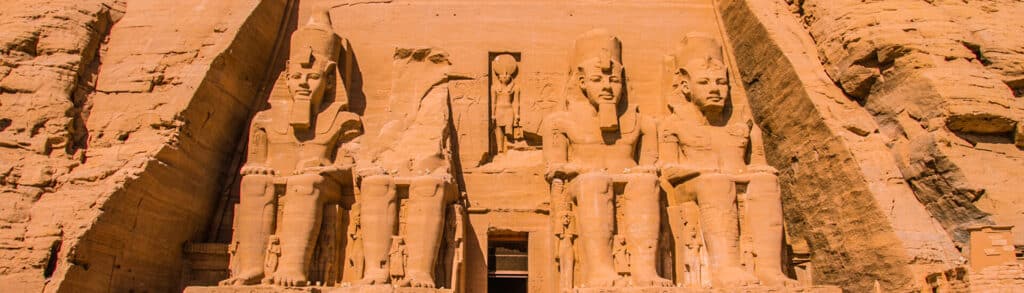
No visit to Lake Nasser is complete without seeing the Temples of Abu Simbel. These are among the most famous monuments in all of Egypt.
The Great Temple of Ramses II
The larger of the two temples was built by Pharaoh Ramses II in the 13th century BC. The entrance is guarded by four colossal statues of the king, each over 20 meters (65 feet) tall.
Inside, the temple is carved deep into the rock. The walls are covered with scenes of Ramses’ military victories, including the famous Battle of Kadesh.
Twice a year, on February 22 and October 22, the sun aligns perfectly to illuminate the inner sanctuary. Sunlight shines onto the statues of the gods inside—except for Ptah, the god of darkness, who remains in shadow.
The Temple of Hathor and Nefertari
Next to the Great Temple is a smaller temple dedicated to the goddess Hathor and Ramses’ favorite wife, Queen Nefertari.
The front of this temple features six standing statues—four of Ramses and two of Nefertari. It is one of the few times in Egyptian art that a queen is shown the same size as the king.
The Relocation of Abu Simbel
When Lake Nasser was created, Abu Simbel was doomed to disappear under water. Between 1964 and 1968, an international team cut the entire temple into 1,050 blocks, each weighing up to 30 tons. They reassembled the temple on higher ground, exactly as it had been.
Above the temple, they built a massive artificial mountain to preserve the setting. It was one of the greatest engineering feats of the 20th century.
Other Temples You Will Visit on a Lake Nasser Cruise Adventure
While Abu Simbel is the most famous, there are many other temples along the lake. Here are the ones you can expect to see.
Kalabsha Temple
Kalabsha is the first temple many cruises visit, located just south of the High Dam. It was originally built by Augustus, the first Roman emperor of Egypt. It is one of the largest free-standing temples in Nubia.
The temple is dedicated to Mandulis, a Nubian sun god. The carvings here blend Egyptian and Roman styles in a fascinating way.
Beit el-Wali
This small temple was also built by Ramses II. Its name means “House of the Holy Man” in Arabic. The colorful reliefs inside show the king defeating his enemies and making offerings to the gods.
Wadi el-Seboua
The name means “Valley of the Lions.” A driveway lined with sphinxes leads to the temple. Inside, you will find a rare depiction of Ramses II as a child, suckled by a goddess.
This temple was also moved to save it from the rising waters.
Temple of Amada
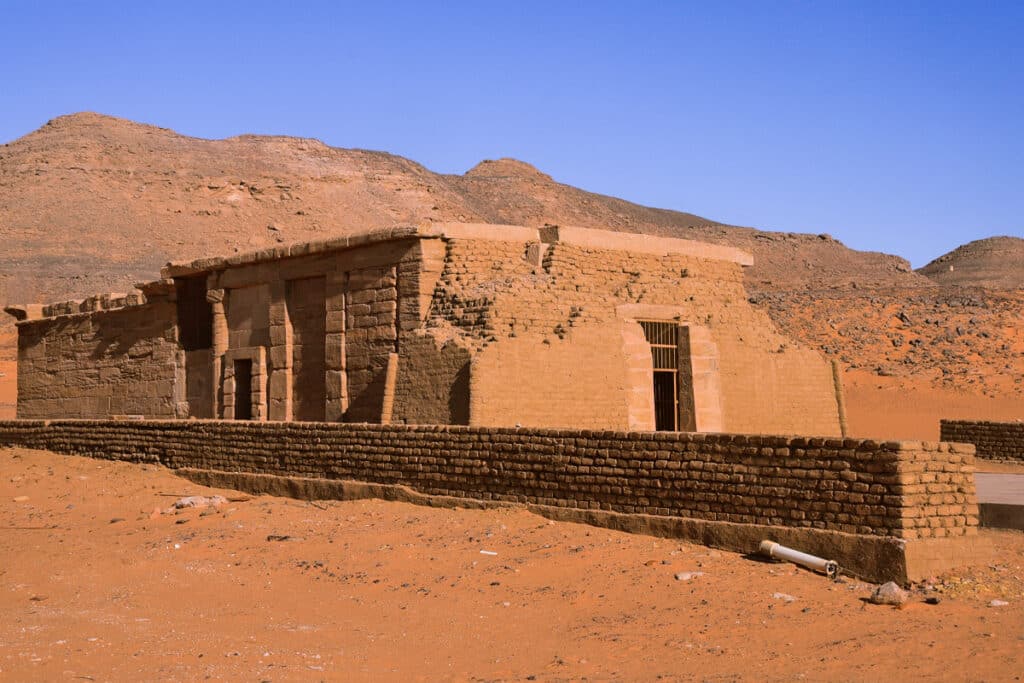
The Temple of Amada is the oldest temple on Lake Nasser. It was built by Thutmose III and Amenhotep II of the 18th Dynasty. The reliefs here are beautifully preserved, with bright colors still visible.
One scene shows Amenhotep II receiving life from the gods. Another shows him smiting enemies with a mace.
Temple of Derr
Also built by Ramses II, the Temple of Derr was carved into the rock. It is the only rock-cut temple in Nubia that was not originally free-standing. The interior contains scenes of the king before various deities.
Qasr Ibrim
This is the only major archaeological site that was not moved. It sits on a high cliff and was an island when the lake filled. Because it was never relocated, it remains a valuable archaeological site.
You cannot land here, but cruise boats stop nearby so you can see it from the water.
The Kiosk of Qertassi
This small but elegant structure has four beautiful columns with Hathor-headed capitals. It was originally a wayside shrine for travelers entering Nubia.
Wildlife on Lake Nasser
Lake Nasser is not just about history. It is also home to a surprising amount of wildlife.
Birds
The lake is a haven for birdwatchers. You can see:
- Herons and egrets along the shore
- Egyptian geese
- Ospreys and fish eagles
- Kingfishers diving for prey
Crocodiles
Lake Nasser has a healthy population of Nile crocodiles. You will see them sunning themselves on sandbanks. Your guide will keep you at a safe distance.
Fish
The lake is full of Nile perch, some of which grow to enormous size. Fishing trips can be arranged on some cruises.
Desert Wildlife
On shore excursions, you might spot foxes, hares, and various lizards. If you are very lucky, you might see a Dorcas gazelle in the desert.
What to Expect on a Lake Nasser Cruise
The Boats
Lake Nasser cruises use smaller ships than the Nile. This keeps the experience intimate. Most boats have:
- Comfortable cabins with large windows
- Sun decks with shaded areas
- Small swimming pools
- Restaurants serving Egyptian and international food
The Atmosphere
Life on board is relaxed. There is no rush. You sail for a few hours, stop at a temple, explore, and return to the boat for lunch or tea. Evenings are quiet, with time to watch the sunset and stars.
Guides
Most cruises include an Egyptologist guide. These guides are experts in the history and culture of the region. They will bring the temples to life with stories and explanations.
Food
Meals are typically buffet style, with a mix of Egyptian dishes and Western options. Fresh bread, salads, grilled meats, and local sweets are common.
How to Plan Your Lake Nasser Cruise
Best Time to Go
The best time for a Lake Nasser cruise is October through April. The weather is mild and pleasant. Days are sunny but not too hot.
From May to September, temperatures can be extremely high, especially at Abu Simbel. Some cruises do not operate during the summer.
Cruise Length
Most Lake Nasser cruises last between 3 and 7 nights.
- 3 or 4 nights – Usually covers the main sites near Aswan, including Kalabsha and Beit el-Wali.
- 5 to 7 nights – Goes all the way to Abu Simbel and back, visiting all the major temples.
How to Get There
You will start your cruise in Aswan. Most international visitors fly into Cairo, then take a short flight to Aswan, or travel by overnight train.
If your cruise ends in Abu Simbel, you can fly back to Aswan or continue overland.
What to Pack
- Lightweight clothing – Cotton or linen is best.
- Sun protection – Hat, sunglasses, and high-SPF sunscreen.
- Sturdy shoes – You will walk on sand and stone at the temples.
- A jacket – Evenings can be cool, especially in winter.
- Binoculars – For birdwatching and spotting crocodiles.
- Camera – With extra batteries and memory cards.
Tips for Making the Most of Your Cruise
Listen to Your Guide
The temples along Lake Nasser have deep stories. Your guide will explain the carvings, the history, and the rescue efforts. Take time to listen and ask questions.
Wake Up Early
Sunrise on Lake Nasser is magical. The light is soft, the birds are active, and the temples look their best. Some of the most memorable moments happen in the early morning.
Spend Time on Deck
Don’t stay in your cabin. The scenery changes constantly. Sit on the sundeck with a book or just watch the desert slide by.
Talk to Fellow Travelers
Lake Nasser attracts curious, well-traveled people. You will meet interesting companions from around the world.
Respect the Sites
Do not touch the wall carvings. Do not climb on the statues. These temples are irreplaceable. Help preserve them for future generations.
The Nubian People
The region around Lake Nasser is the traditional homeland of the Nubian people. When the lake was created, many Nubian villages were flooded. The people were relocated to new towns near Aswan.
Today, Nubian culture is alive and vibrant. On some cruises, you can visit a Nubian village. You will see colorful houses, hear traditional music, and learn about customs that go back thousands of years.
Nubians are known for their hospitality. If you are invited for tea, say yes.
The Sunset and Stars
One of the simplest but most beautiful experiences on Lake Nasser is watching the sun go down.
The desert sky turns orange, then pink, then deep purple. The water reflects the colors. The temples glow in the fading light.
After dark, the stars come out. There is almost no light pollution here. On a clear night, you can see the Milky Way stretching across the sky.
Some cruises offer stargazing sessions with guides who point out constellations and tell the stories the ancient Egyptians saw in the stars.
Frequently Asked Questions
How long is a Lake Nasser cruise?
Lake Nasser cruises typically last between 3 and 7 nights. A 5-night cruise is the most common, covering all major temples.
When is the best time for a Lake Nasser cruise?
The best time is from October to April, when temperatures are mild. Summer months are very hot, and some cruises do not operate.
Can you see crocodiles on Lake Nasser?
Yes. Lake Nasser has a healthy population of Nile crocodiles. You will see them basking on the shores.
Is a Lake Nasser cruise better than a Nile cruise?
It depends on what you want. Nile cruises offer more temples and nightlife. Lake Nasser cruises offer peace, remote sites, and a more intimate experience.
Conclusion
A Lake Nasser cruise is not just a vacation. It is a journey into the heart of ancient Egypt, a chance to see temples that most visitors never reach, and an opportunity to experience true peace and quiet in one of the world’s most dramatic landscapes.
From the colossi of Abu Simbel to the birds and crocodiles of the lake, every day brings something new. Whether you are a history lover, a nature enthusiast, or simply someone who needs a break from the modern world, Lake Nasser will stay with you long after you return home.
Check Our Top Nile Cruise Trips:-
Book your Lake Nasser cruise with Top Nile Cruises and discover the secrets of Abu Simbel for yourself.